

How to Choose Safe and Reliable Electric Boats for Water Parks
As summer arrives, major water parks across the country enter their peak operating season. Electric boats for families have become a core leisure attraction and an important source of revenue thanks to their engaging nature and broad appeal. As the cultural tourism market becomes increasingly standardized and regulated, safety compliance and long-term operational reliability have become key priorities for the industry. To address issues such as inconsistent product quality and irregular purchasing practices, industry experts have issued guidelines to help water parks make informed purchasing decisions, mitigate safety risks, and reduce operating costs.
Electric boats used in water parks are classified as special water amusement equipment, and their production and operation must strictly comply with relevant national standards, including GB 8408-2018 (Safety Specification for Large-Scale Amusement Facilities) and GB/T 18168-2017 (General Technical Conditions for Water Amusement Facilities). Industry surveys indicate that some small and medium-sized water parks, in an effort to reduce initial investment costs, purchase low-cost electric boats assembled from multiple components. These units may suffer from rapid material degradation, exaggerated battery-range claims, missing safety features, and substandard electrical systems. Under conditions of frequent summer use, high temperatures, and prolonged exposure to water, they are more prone to hull cracking, leaks, sudden power failures, and electrical hazards. Such issues not only diminish the visitor experience but may also lead to accidents, regulatory penalties, and reputational damage for the park.
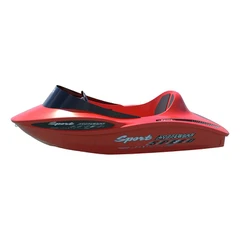
Industry technical experts emphasize that compliance and durability should be the primary criteria when selecting electric boats. Hull material is a decisive factor in determining equipment lifespan. Unlike traditional fiberglass boats assembled from multiple sections, electric boats made from rotationally molded polyethylene (PE) feature a seamless, one-piece hull. They offer excellent impact resistance, corrosion resistance, water resistance, and resistance to heat and aging, making them well suited to the high-intensity operating environments of water parks while significantly reducing maintenance frequency. In addition, compliant boats must meet specified freeboard requirements to reduce the risks of water ingress and capsizing.
Regarding core specifications, the ability to support long-duration daily operations is crucial. Equipped with professional-grade, quiet brushless motors and high-capacity batteries from reputable brands, these boats can support 6–8 hours of continuous daily operation. They provide stable power output and reliable operating range, effectively reducing problems such as frequent returns to the dock or service interruptions caused by power loss during peak seasons.
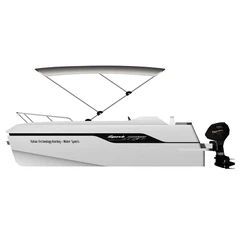
Essential safety features include standardized anti-collision structures, non-slip decks, emergency handrails, waterproof and insulated electrical systems, and clear safety signage. Upgraded smart electric boat models may also feature automatic drainage systems, voice prompts, and ambient lighting, further enhancing both safety and the overall visitor experience.
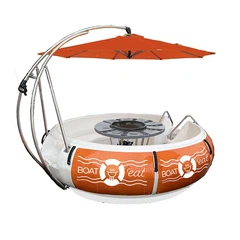
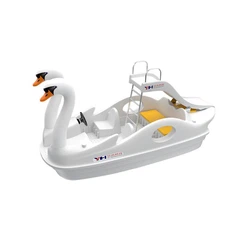
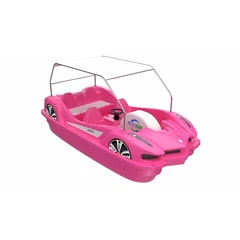
Industry experts advise water parks to select electric boats that match their operational scale and visitor needs. Small and medium-sized parks should focus on lightweight, family-oriented models, while large, comprehensive parks can introduce a diverse range of themed boats to enrich their offerings. At the same time, it is essential to verify the manufacturer's production qualifications, inspection reports, and after-sales service capabilities. Choosing a legitimate direct manufacturer and signing a formal cooperation agreement can help ensure the long-term and stable operation of the equipment.
Professionals in the cultural tourism sector emphasize that safety is the cornerstone of the amusement industry. Standardized procurement and compliant operations not only help water parks meet regulatory requirements but also serve as important measures for improving service quality and strengthening brand reputation. Ultimately, these practices will contribute to the continued standardized, safe, and high-quality development of the water amusement industry.
