


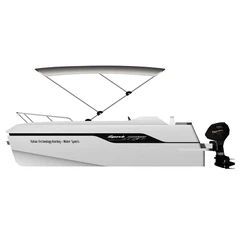
A Study on Winter Maintenance Techniques and Methods for Polyethylene Cruise Ships;
Polyethylene cruise ships, with their corrosion resistance, impact resistance, and ease of cleaning, are widely used in scenic areas, leisure activities, and other fields. Winter's low temperatures, frost, and snow accumulation can easily damage the ship's materials and facilities. Scientific winter maintenance is crucial for extending the lifespan of cruise ships and ensuring safe operation the following year. This article summarizes practical winter maintenance techniques and methods based on the characteristics of polyethylene.
In the initial stage of winter maintenance, a thorough cleaning of the hull is necessary. First, rinse the surface of the hull with clean water to remove mud, weeds, and stains. For stubborn deposits, use a soft-bristled brush with a neutral detergent to wipe them away, avoiding the use of sharp tools to scratch and damage the polyethylene surface. After cleaning, allow the ship to dry completely to prevent residual moisture from causing localized mold growth. At the same time, check the hull for scratches and minor cracks, marking and repairing them promptly.
Frost prevention and drainage are key aspects. Although polyethylene cruise ships are made of cold-resistant materials, residual moisture in the internal pipes and water tanks can easily freeze and expand, causing pipe ruptures and hull deformation. All water must be drained from the ship's hold, water tanks, and pipelines. Pumps, valves, and other easily frozen components must be disassembled and stored separately in a dry room. For pipelines that cannot be disassembled, inject non-toxic antifreeze and ensure proper sealing to prevent freezing damage.
Storage protection requires meticulous handling. Preferably, store in a dry, well-ventilated indoor location. If storing outdoors, completely cover the ship with a dedicated dustproof and waterproof cover, securing it to prevent it from being blown off by strong winds and to avoid snow accumulation, heavy pressure, and direct UV radiation that accelerates polyethylene aging. Support the hull with flat, soft padding to distribute weight evenly; do not pile heavy objects on it to prevent irreversible deformation from prolonged pressure. Disassemble seats, life-saving equipment, and other accessories, and store them properly according to their categories.
During winter storage, regular inspections are necessary, every 1-2 months. Check the integrity of the cover, the condition of the hull, and look for water accumulation, mold, cracks, etc. Maintain a well-ventilated and dry storage environment and address any potential problems promptly.
In summary, the winter maintenance of polyethylene cruise ships follows the principles of "thorough cleaning, proper antifreeze, standardized storage, and regular inspections." It provides targeted protection against hazards such as low temperatures, snow accumulation, and moisture, effectively protecting the ship's hull material, reducing facility malfunctions, significantly extending the service life of the cruise ship, lowering operating and maintenance costs, and laying a solid foundation for safe operation in the coming year.